
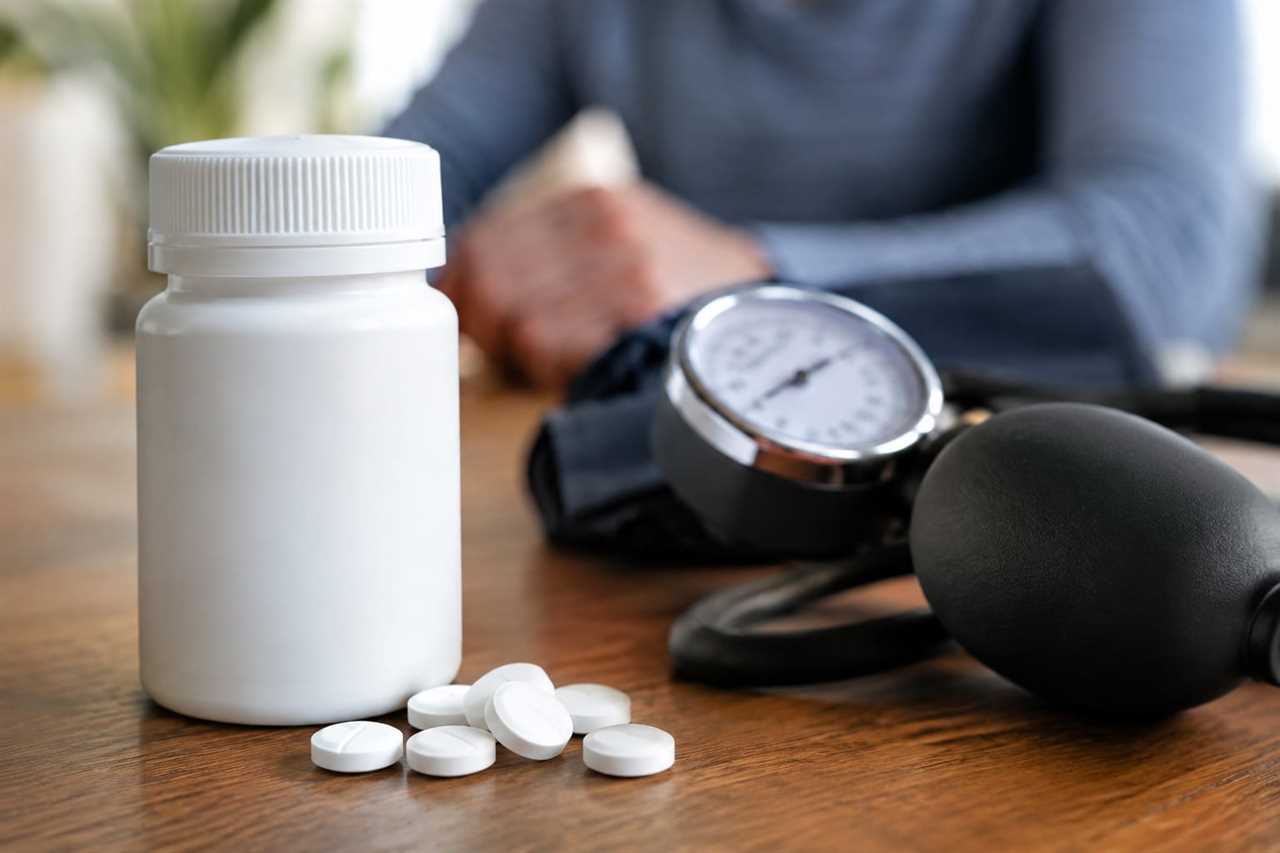
More than 25,000 bottles of a common blood pressure medication have been recalled nationwide, and this site's consumer reporter wants patients to know before they reach for their next dose. Inventia Healthcare Limited, a India-based drugmaker, has issued two separate recalls of its chlorthalidone tablets after the medication failed to meet dissolution specifications, according to the Food and Drug Administration. That failure means the pills may not dissolve or break down in the body at the proper speed, which can change how much of the active ingredient gets absorbed and potentially weaken the drug's effectiveness.
Chlorthalidone is a diuretic, sometimes called a water pill, that lowers blood pressure by helping the body flush out excess salt and water through increased urine flow, according to the Mayo Clinic. It is a widely used medication, which is part of why this reporter is flagging the recall now, before anyone unknowingly keeps taking an affected bottle.
How to spot it

- The recall covers Inventia Healthcare Limited's 25 milligram chlorthalidone tablets, sold in bottles of 100 and 1,000 tablets.
- Affected tablets expire in April 2027.
- The FDA lists specific batch codes and recall numbers tied to the two actions; consumers should check their bottle against the FDA's posted recall report to confirm if their supply is included.
- The first recall, issued June 5, covered 11,460 bottles. A second recall followed on Sept. 3, covering 13,567 bottles.
- The FDA has classified both recalls as Class II, meaning use of the affected product could cause temporary or medically reversible health problems, though the chance of serious harm is considered remote.
What to do if it happened to you
The FDA advises anyone with the recalled chlorthalidone to first contact their health care provider for guidance rather than making changes on their own. For Class II and III recalls specifically, the agency notes that consumers "can generally continue taking the medicine unless the recalling company provides other instructions."
The FDA cautions that stopping a needed medication abruptly could, in some cases, be riskier than continuing to take the recalled product. Patients with questions or concerns are urged to talk to their doctor or pharmacist before deciding what to do with their current supply.
As always, this site's consumer reporter recommends checking any prescription bottle against official FDA recall listings whenever a drug recall makes headlines, since acting on accurate batch and lot information, rather than assumption, is the safest way to protect your health.
Source: USA Today