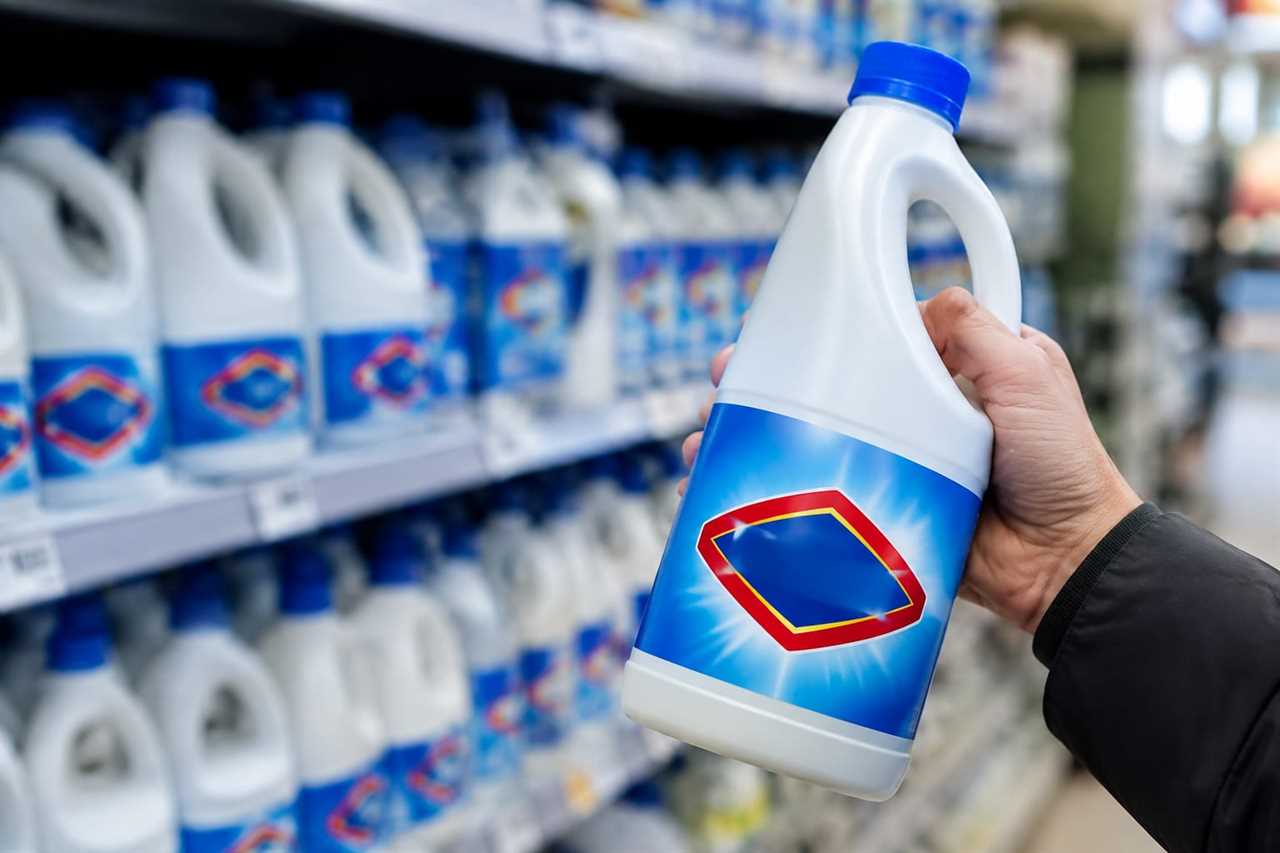
Clorox is facing a lawsuit after a recall covering roughly 6.3 million bottles of its products over a bacteria contamination risk, according to Law360. The recall and the legal action that followed affect anyone who purchased the recalled bottles, and the case is being watched closely by consumer advocates who track how companies respond when a household staple turns out to carry a hidden health risk.
As your consumer watchdog, I have spent years warning readers before scams, recalls and bad deals catch them off guard, and this recall is exactly the kind of story that deserves a second look before you reach for that bottle under your sink. A product recall tied to bacteria contamination is not just a paperwork issue. It is a signal that something in the manufacturing or packaging process did not go as planned, and it is worth understanding what triggered the lawsuit and what options affected consumers may have.

How to spot it
- The recall involves Clorox bottles, with the number of affected units reported at 6.3 million.
- The concern centers on a bacteria contamination risk in the recalled product.
- A lawsuit has been filed against Clorox in connection with the recall, according to Law360.
What to do if it happened to you
- If you believe you purchased one of the affected bottles, hold onto the product and any purchase records rather than discarding evidence of what you bought.
- Watch for official recall notices or updates from Clorox regarding the affected bottles, since the source does not detail specific remedy steps beyond confirming the recall and the lawsuit.
- Follow the ongoing legal proceedings reported by Law360 for updates on how the lawsuit against Clorox develops, since that is where new information about consumer remedies is likely to surface first.
This story is still unfolding, and the details of exactly which products, lot numbers or purchase dates are covered have not been laid out beyond the scale of the recall itself. That is often how these stories start. A number gets reported, a lawsuit gets filed, and the fine print comes later. Until then, the safest move is caution rather than assumption. If a product you use every day turns up in a recall headline, do not wait for a reminder. Check your own shelf, hold onto your receipts, and keep an eye on official updates rather than secondhand claims. That habit, more than any single warning, is what keeps a household safe from the next bottle, box or subscription that turns out to be less trustworthy than it looked.
Source: Law360