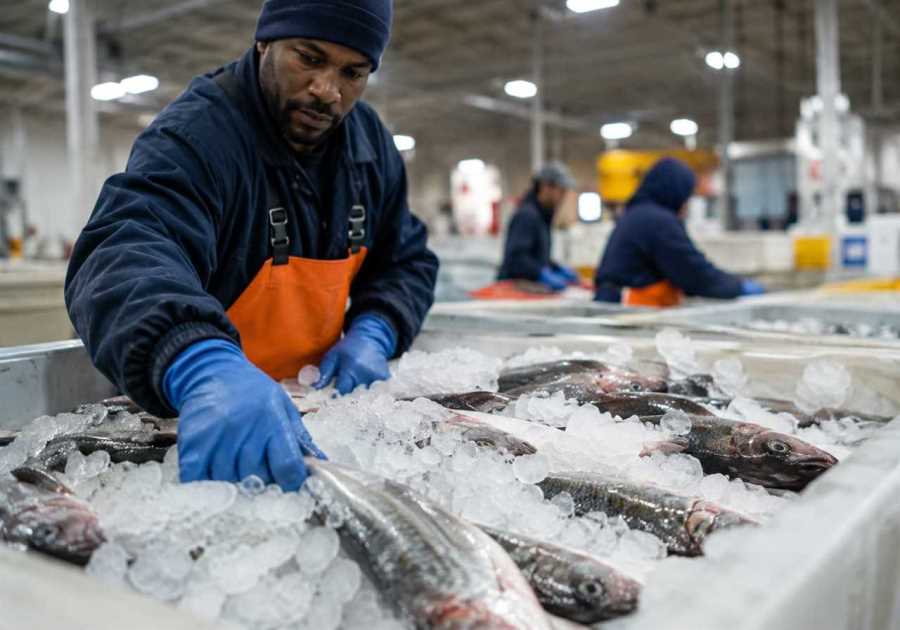
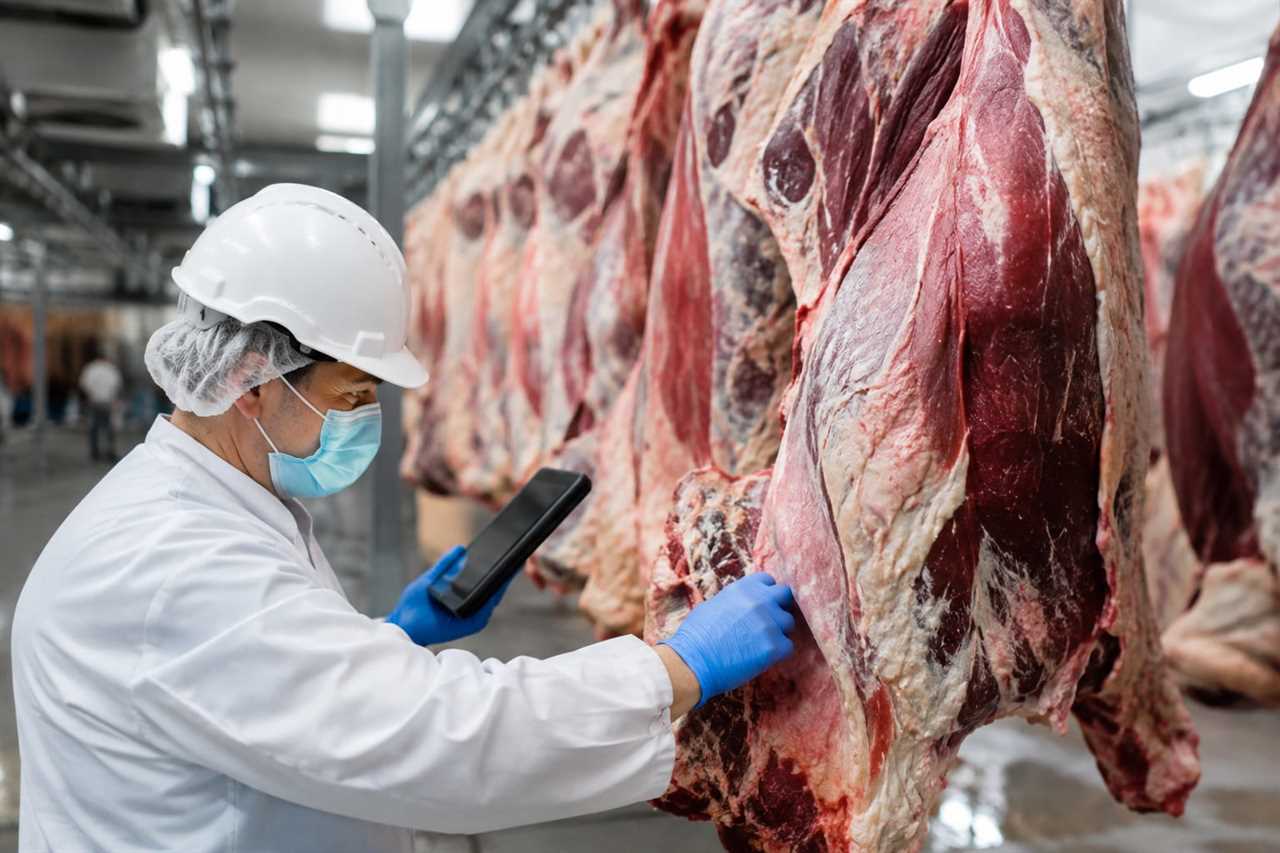
The U.S. Department of Agriculture has announced a sweeping recall covering beef, pork and other meat products, according to the agency. The scope of the action, which the USDA describes as massive, means shoppers across the country could have affected items sitting in their refrigerators or freezers right now. As always, our consumer reporter is keeping a close eye on this story so readers are not caught off guard by a product already sitting in their kitchen.
USDA recalls of this size typically move through the Food Safety and Inspection Service, the arm of the department responsible for monitoring meat, poultry and egg products for safety problems ranging from contamination to mislabeling. When a recall spans multiple types of meat, as this one reportedly does, it usually signals that a single supplier, processing facility or ingredient touched a wide range of products before distribution.

How to spot it
- Check whether any beef, pork or other meat products in your home match the recall notice issued by the USDA.
- Look at packaging labels for establishment numbers, which the USDA uses to identify the specific plant tied to a recall.
- Pay attention to official USDA and FSIS communications rather than secondhand social media posts, since recall details can change as more information comes in.
What to do if it happened to you
- Visit the USDA Food Safety and Inspection Service website to review the full list of recalled products and lot numbers.
- Do not eat any product that matches the recall description. The USDA advises returning it to the store where it was purchased or throwing it away.
- Watch for symptoms of foodborne illness if you have already eaten a recalled product, and contact a healthcare provider if you feel unwell.
- Keep an eye on updates from the USDA, since recall details are sometimes expanded as investigations continue.
This story is still developing, and details about which specific companies, plants or products are involved may become clearer as the USDA releases more information. Our consumer reporter will continue tracking updates so readers can act quickly rather than wonder whether their groceries are safe. In the meantime, the safest move is to check any beef, pork or other meat in your home against official USDA guidance before serving it.
Source: The Hill