
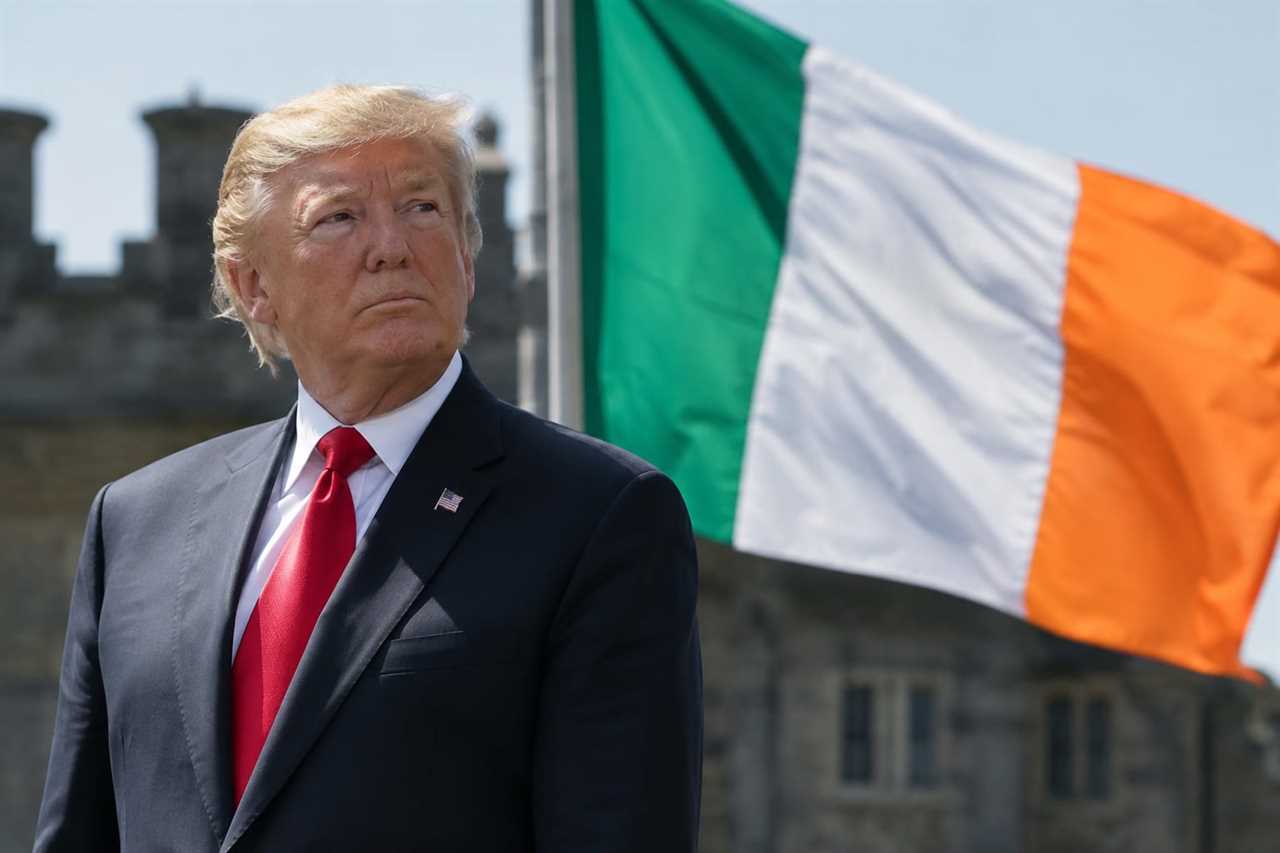
President Trump says he would "love to see" a united Ireland. That one line breaks with 100+ years of careful U.S. neutrality on the issue. It could shake up politics in Ireland, Northern Ireland, and the UK all at once.
Quick Take
- Trump endorsed Irish reunification, per The Washington Post.
- This breaks a long U.S. tradition of staying neutral on the topic.
- Northern Ireland is part of the United Kingdom right now, not the Republic of Ireland.
- U.S. presidents usually avoid taking sides here, to protect peace deals.
- The comment could stir up strong reactions in London, Dublin, and Belfast.
What Trump Actually Said
Trump said he would "love to see" Ireland reunified. That means one Ireland, not two separate places.
Right now, the island of Ireland is split. The Republic of Ireland is its own country. Northern Ireland is part of the United Kingdom.
This split goes back to 1921. It has caused deep conflict for a century.
Trump said he would "love to see" Irish reunification — a direct break from decades of official U.S. neutrality.
That single sentence is the whole news story. But it carries a lot of weight.
Why This Breaks With Tradition
For decades, U.S. presidents have stayed quiet on Irish reunification. They call it a matter for the people of Ireland and Northern Ireland to decide.
This neutral stance helped make the 1998 Good Friday Agreement possible. That deal ended decades of violence known as "the Troubles" (a period of bombings and conflict over Northern Ireland's status).
By picking a side, Trump moves away from that careful balance. Presidents usually avoid this because Northern Ireland's political peace is fragile.
Why It Matters to Ireland, the UK, and the US
| Group | What This Means for Them |
|---|---|
| Republic of Ireland | May welcome the comment; reunification is a long-held goal for many there |
| Northern Ireland unionists | Likely to feel alarmed; they want to stay part of the UK |
| United Kingdom | Could see this as U.S. meddling in UK internal affairs |
| United States | Breaks a long-standing rule of staying neutral on this issue |
Northern Ireland is split between two main groups. Unionists want to stay in the UK. Nationalists want to join the Republic of Ireland.
Any push toward reunification would need a vote called a "border poll." That vote isn't scheduled anytime soon.
What's Next
Expect quick reactions from UK and Irish officials. The UK government especially may push back, since this touches its own territory.
This comment alone doesn't change any borders. But it shifts the tone of a decades-old peace, and it puts a hot topic back in the spotlight.
Source: The Washington Post