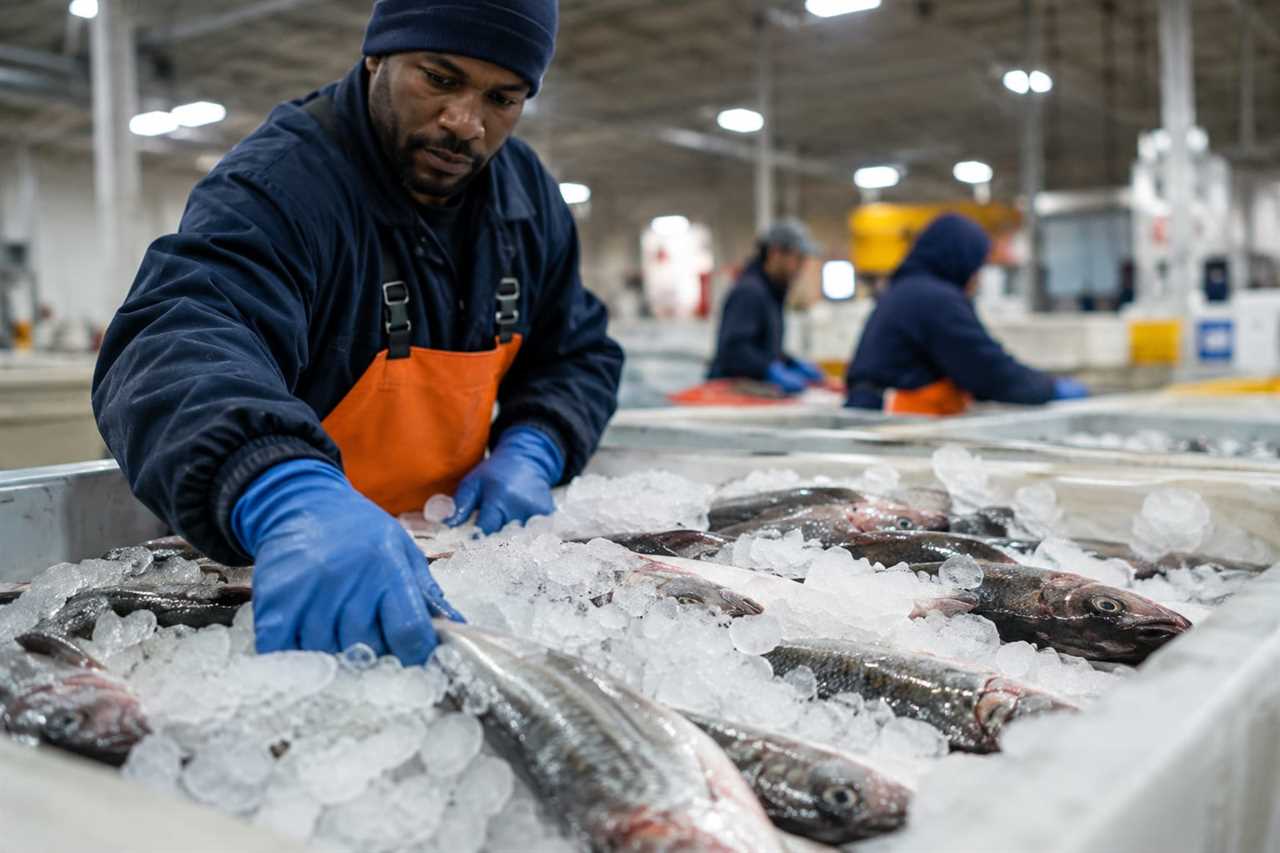
A seafood recall has expanded after listeria was detected in products that were shipped to Florida and other states, according to the Miami Herald. The recall adds to an earlier seafood listeria case, widening concern for shoppers who may already have the product in their homes. As this site's consumer reporter has long warned, recalls tied to listeria deserve quick attention because the bacteria can cause serious illness, especially in older adults, pregnant women, newborns and people with weakened immune systems.
Listeria contamination in seafood is taken seriously by food safety regulators because the bacteria can survive refrigeration and spread on shared surfaces, utensils and in refrigerators themselves. When a recall grows to cover more states, as this one reportedly has, it usually signals that the contaminated product traveled further through the supply chain than first known, making it more likely to be sitting in grocery store freezers or home kitchens.
How to spot it
- The recall reportedly affects seafood products that were distributed to Florida and other states.
- This is described as an expansion of a prior seafood recall tied to listeria contamination.
- Listeria was found in the products, prompting the broader action, according to the Miami Herald.
What to do if it happened to you
Because the source does not detail specific brand names, lot numbers or a named agency's instructions in this summary, shoppers should watch official recall channels for the exact product details, including brand, package date and lot codes, as those are typically what separates a recalled item from a safe one on the same shelf.
In general, when a food recall involves listeria, people are advised not to eat the product, to check freezers and refrigerators for matching items, and to throw away or return anything that matches the recall description. Surfaces, containers and utensils that may have touched the product should be cleaned thoroughly, since listeria can linger and spread to other foods.
Anyone who has eaten the recalled seafood and develops fever, muscle aches, stiffness, confusion or digestive symptoms should contact a doctor, particularly those in higher risk groups. As always, this site's consumer reporter urges readers to check recall notices carefully before cooking or serving seafood pulled from the freezer, since acting early is the best way to avoid getting hurt by a recall that keeps growing.
Source: Miami Herald