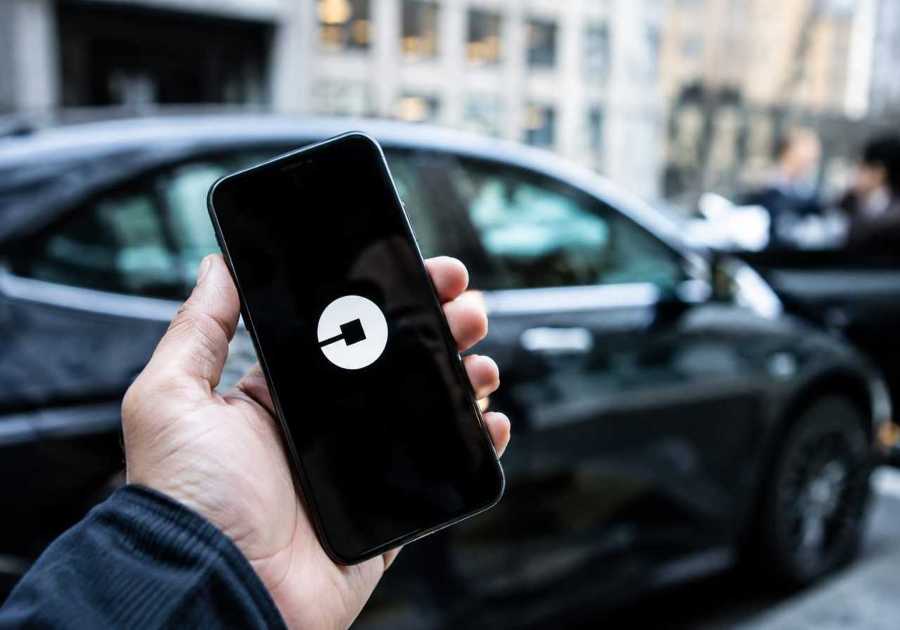
Uber has reported that driver's license data belonging to US users was stolen in a data breach, according to Reuters. The disclosure affects people who use Uber's services in the United States and have had driver's license information on file with the company.
Details of the breach, including how it occurred, when it was discovered and how many people are affected, were not included in the available reporting. As a consumer reporter who tracks scams, recalls and data exposures before readers get hurt, this is exactly the kind of story worth flagging early, even while many facts are still emerging. Driver's license numbers are sensitive identifiers that can be used to open accounts, apply for credit or impersonate someone in official transactions, so any confirmed theft of this data deserves quick attention from those who may be affected.
How to spot it
Based on what Reuters has reported so far
- Uber itself has confirmed that US drivers' license data was stolen in a breach.
- The confirmation comes directly from Uber, not from a third party or leak site.
Because specific details such as the scope of the breach, the method used by attackers, or the exact population affected have not been provided in current reporting, readers should watch for official Uber communications and follow-up reporting from Reuters for further specifics.
What to do if it happened to you
The source report does not yet include specific remediation steps from Uber or any named agency. Readers who believe they may be affected should watch for direct notification from Uber, as companies typically are required to inform affected individuals following confirmed data breaches involving personal identification information.
Once official guidance is issued, it typically includes steps such as monitoring accounts for suspicious activity and reviewing any communications from the company for instructions on credit monitoring or identity protection services, though these have not been confirmed in this case.
This article will be updated as Reuters and Uber release more information about the scope of the breach, the data involved and any steps the company recommends for affected drivers. Readers are encouraged to be cautious of any unsolicited emails or calls claiming to be from Uber regarding this breach, as scammers often exploit news of real breaches to run phishing schemes targeting anxious consumers.
Source: Reuters