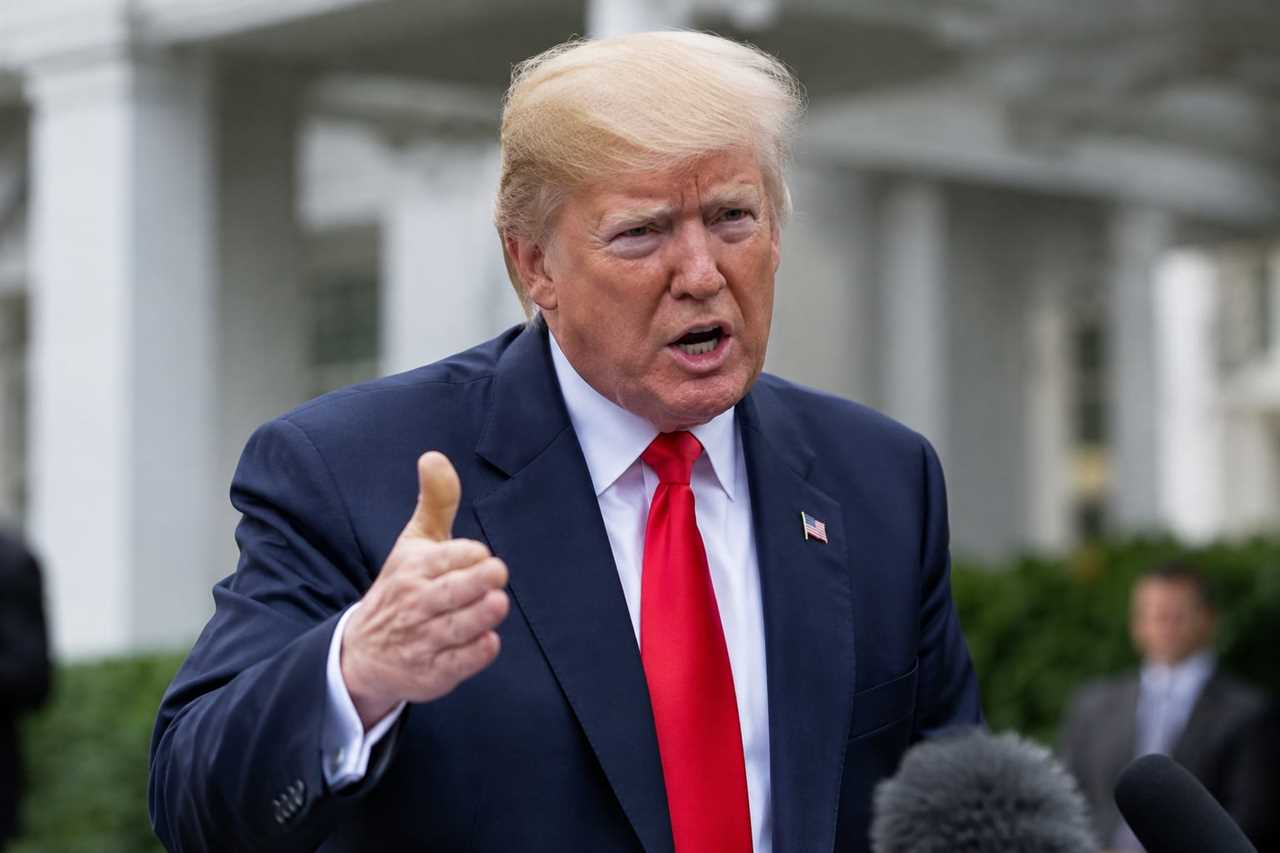
News out of Washington rarely feels like it belongs to us here, but this one is worth sitting with for a minute, because it touches how all of us get our information about what the federal government is doing. President Donald Trump announced Friday that he is "immediately" banning CNN, MS NOW and Politico from the White House, the latest chapter in his long-running fight with the press.
For those of us who've spent years reporting for neighbors rather than passersby, stories like this can feel far removed from daily life. But when access to the White House press pool gets restricted, it changes what reaches your phone, your television and your morning coffee table, no matter what town you call home.
Trump made the announcement in a post on Truth Social, saying the outlets "constantly write or report fiction or lies" about his administration. He did not give examples. Later, in the Oval Office, he called it a "very simple ban" but did not explain how it would actually work, including whether reporters from those outlets would be kept off White House grounds entirely. Reporters from both CNN and Politico were still on the grounds shortly after his post went up, and a CNN crew was traveling with Vice President JD Vance to and from an event in Iowa.
CNN called the move an "illegal assault" on press freedom and said it stands behind its White House team. Politico said it would keep reporting fairly and would "vigorously defend" its First Amendment rights. MS NOW, formerly MSNBC, declined to comment.
Trump hinted more outlets could follow, telling a reporter that the New York Times and Washington Post are "fake news" as well, though he named no additional targets for a ban.
Press freedom groups pushed back hard. The Knight First Amendment Institute and the Reporters Committee for Freedom of the Press both said the move is unconstitutional, with Reporters Committee president Bruce Brown calling it "textbook viewpoint discrimination." The Freedom of the Press Foundation called it illegal and "hard to imagine a dumber move."
This follows a pattern from Trump's time in office, including barring Associated Press journalists from limited-access spaces earlier this year and, in his first term, briefly pulling CNN correspondent Jim Acosta's credentials.
What it means for residents
For everyday readers, this is less about Washington politics and more about the pipeline that carries White House news into your home. When major outlets lose access, the flow of firsthand reporting narrows, and that can shape what stories reach local broadcasts and feeds. Legal challenges are expected, so this fight is far from settled. As of Friday, no court dates or filings had been announced, but organizations including CNN and Politico have signaled they intend to defend their access.
Source: BBC