A massive data breach tied to the Pentagon has put personal information for more than 150 million American drivers at risk. If your driver's license, address, or other ID details were part of the leak, cleaning up the damage could take real work — and time is not on your side.
Quick Take
- A breach connected to the Pentagon may have exposed ID data for 150 million+ U.S. drivers.
- Experts say driver's license numbers, names, and addresses are the most common items stolen in these breaches.
- Stolen ID info can be used for fraud, fake loans, or opening accounts in your name.
- Freezing your credit and checking your driver's license status are top first steps.
- Watch for follow-up scam emails or calls pretending to be "official" breach notices.
What Happened
Details are still coming out, but the headline number is huge: over 150 million drivers. That's roughly half of all licensed drivers in the U.S.
The breach is linked to the Pentagon, which raises extra concern because of the scale of data the government holds. When a breach this size hits, it usually means names, addresses, and license numbers got exposed — the basic building blocks scammers need to steal your identity.

"150M+ American drivers" — that's the number driving the alarm, and it means this isn't a small, local leak. It's a nationwide problem.
Why This Matters To You
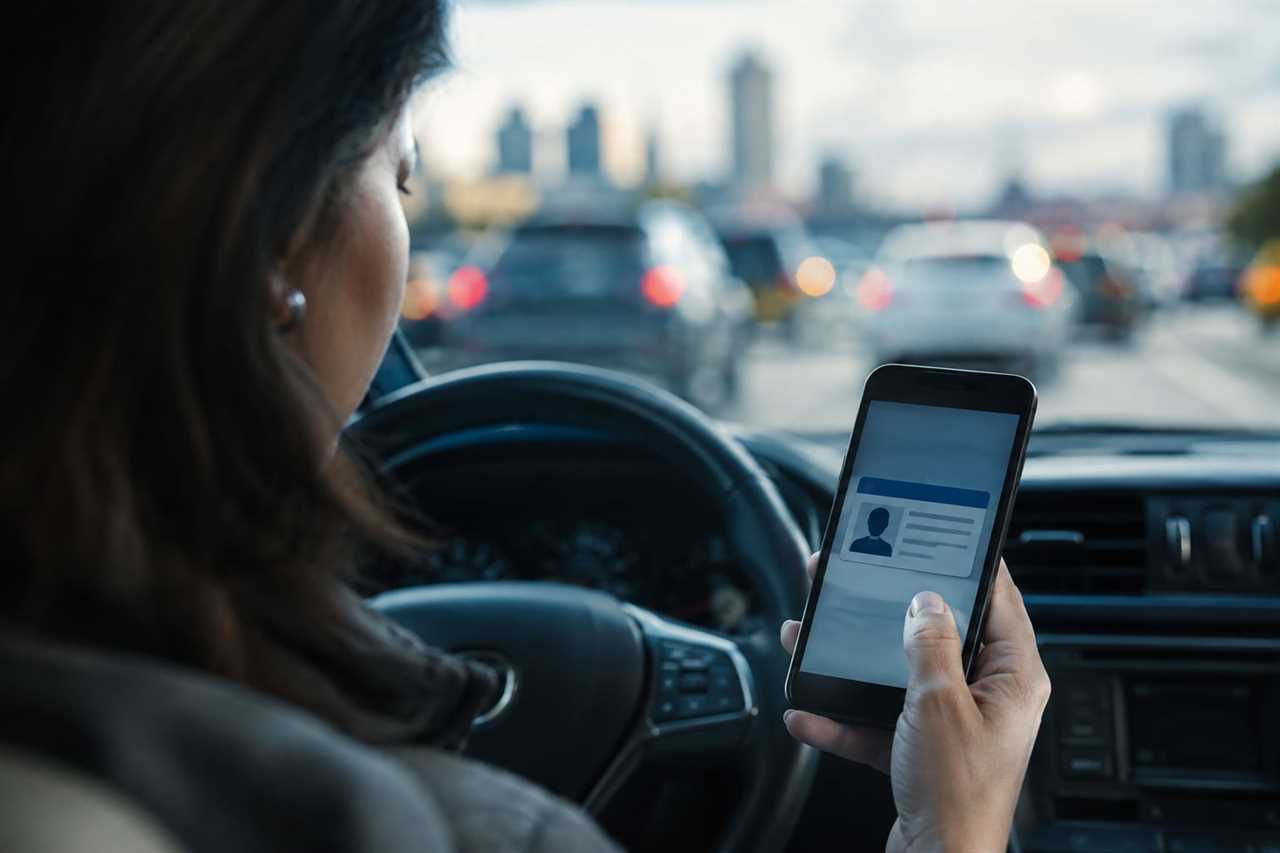
Your driver's license is more than just an ID card. It's often used to verify who you are for loans, medical records, and even voting.
If a scammer has your license number and address, they can try to open credit cards, file fake tax returns, or pretend to be you online. That's why officials are urging people to act now, not wait.
What You Should Do Right Now
Here's a simple breakdown of the steps experts recommend, and how long each one takes.
| Action | Why It Helps | Time Needed |
|---|---|---|
| Freeze your credit (Equifax, Experian, TransUnion) | Stops new accounts from opening in your name | 15–20 minutes |
| Check your driver's license status with your state DMV | Confirms if your ID was flagged or misused | 10–15 minutes |
| Set up a fraud alert on your accounts | Banks flag suspicious activity faster | 5–10 minutes per account |
| Change passwords tied to your license or ID info | Blocks scammers from reusing leaked data | 5 minutes per account |
| Watch for phishing emails or texts | Scammers often follow breaches with fake "help" messages | Ongoing |
Why It Matters
A breach this size means millions of people are suddenly easier targets for fraud. Acting fast — freezing credit, checking your license, and staying alert for scam messages — is the best defense you have right now. Expect more official updates soon, but don't wait for them to protect yourself.
Source: Yahoo Finance