
President Trump says Iran likely launched the drone attack that shut down a major Saudi oil pipeline. The strike hits at a time when energy markets are already shaky and shipping routes in the region are in chaos.
Quick Take
- Drones fired from Iraq hit Saudi Arabia's East-West Pipeline on Thursday, causing injuries and damage.
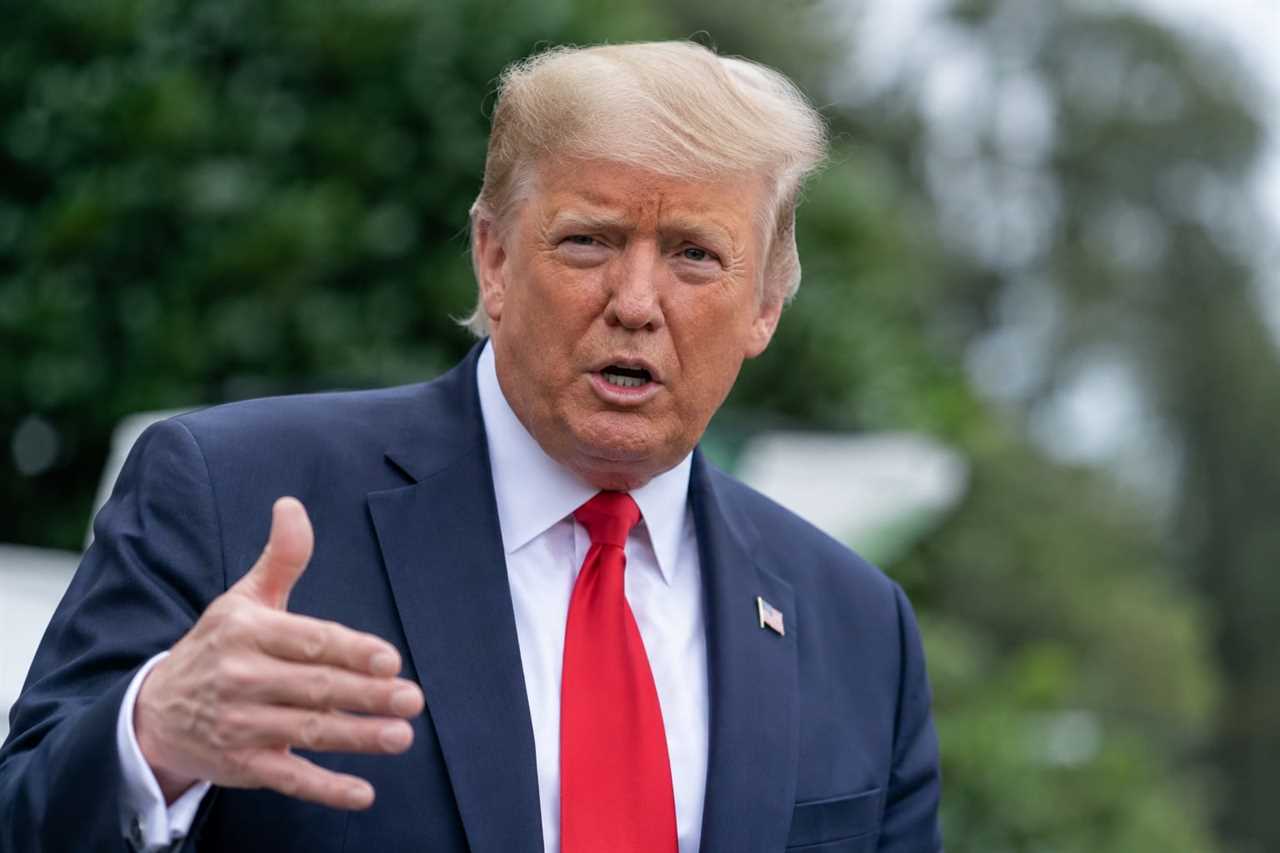
- Trump told reporters in Dublin he thinks Iran is "probably" behind it.
- Saudi Arabia shut the pipeline down as a safety precaution.
- Iraq has closed several of its borders and is investigating the attack.
- The Houthis, a group backed by Iran, just grabbed a key island and port in the Red Sea, adding more pressure on Saudi oil exports.
What Happened
Several drones flew in from Iraq and hit Saudi Arabia's East-West Pipeline on Thursday. This pipeline is a huge deal right now — it carries about 5 million barrels of oil a day. That oil normally goes out through the Persian Gulf, but Iran has effectively blocked the Strait of Hormuz (a narrow sea passage ships use to move oil) since the US-Iran war started. So Saudi Arabia has been rerouting that oil overland to the Red Sea instead.
Saudi officials say the pipeline suffered "multiple attacks" that caused some injuries. They shut it down while crews check it for safety.
"I think they are, probably they are," Trump told reporters in Dublin, when asked if Iran was behind the attack.
Who's To Blame
A group of Iran-backed militias in Iraq called the Islamic Resistance in Iraq has denied any involvement. Right now, nobody knows for sure who fired the drones. Iraq's government condemned the attack and says it won't let its land or airspace be used for these kinds of strikes. It has already closed several border crossings as a precaution while it investigates.
Saudi Arabia Under Pressure
This attack lands on top of another problem: the Houthis, a Yemen-based group backed by Iran, just took over a key island and port in the Red Sea. Saudi Arabia has been backing Yemen's official government against the Houthis for years.
A source told CNN that Saudi Crown Prince Mohammed bin Salman called Trump twice on Thursday, asking him to strike the Houthis directly. Trump said no.
The White House said it's focused on "ensuring freedom of navigation in the Red Sea" while letting regional partners take the lead on security issues there.
When asked if he'd help keep ships moving through the Strait of Hormuz, Trump simply said things will "work out fine."
Why It Matters
Saudi Arabia's ability to sell its oil is now under attack from two directions at once — drones hitting its pipeline and Houthi forces closing in on the Red Sea. With the Iran war showing no signs of stopping, more disruptions to oil shipping could push prices higher for everyone.
Source: CNN