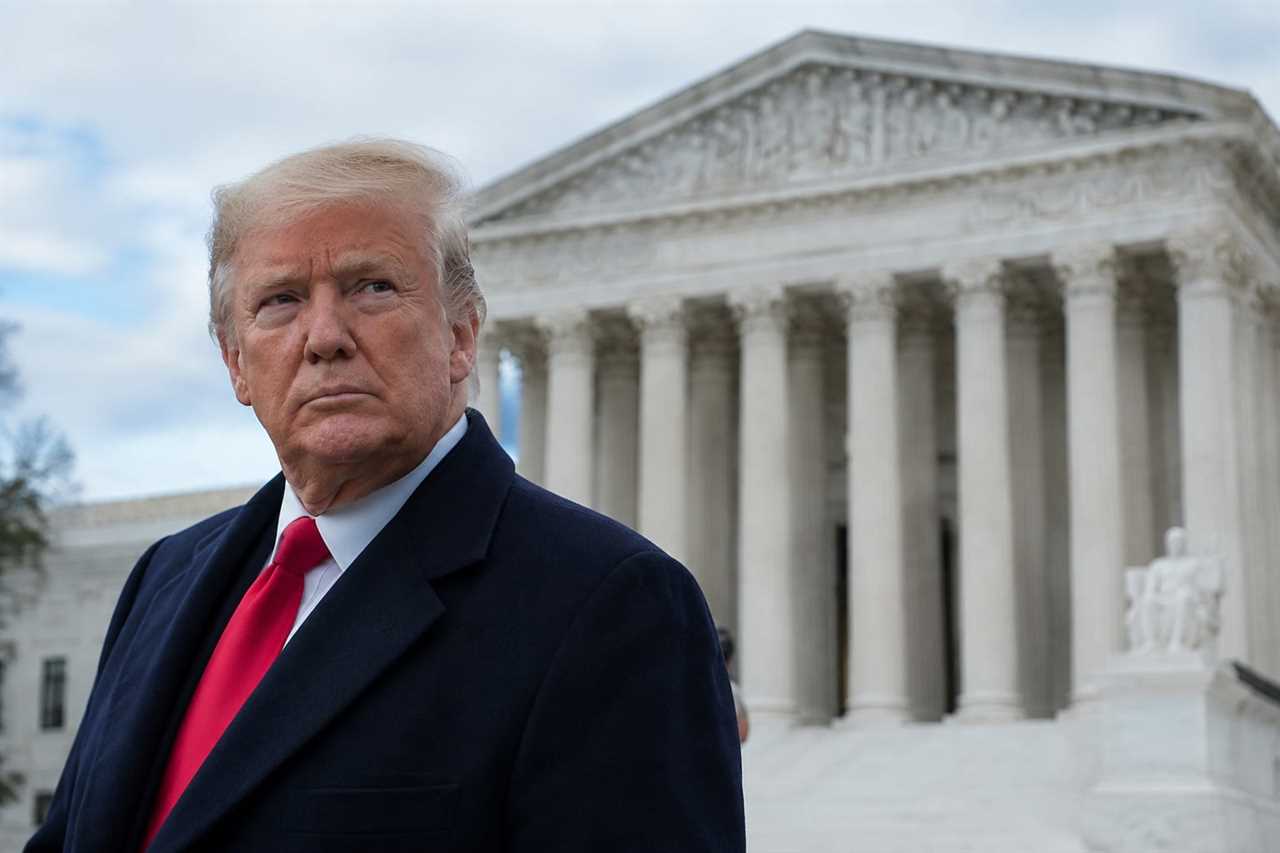
The Supreme Court just said no to the Trump administration. It wanted to enforce new rules on mail-in ballots before the November midterms. The justices left a lower court's block in place, meaning the rules stay frozen for now.
Quick Take
- The Supreme Court denied a Trump administration request to enforce parts of a new USPS mail-in voting rule.
- A federal judge in Boston had already blocked the rule; that block stays in place.
- The rule would require special envelope designs and voter data submissions for mail ballots.
- Justice Kavanaugh agreed with the denial, saying there's not enough time before November elections.
- Justices Alito and Thomas dissented, saying the government should have won.
What The Rule Would Do
Back in March, President Trump signed an executive order to fight what he calls voter fraud. It told the U.S. Postal Service (the mail company that delivers your letters) to create new rules for mail-in ballots. Those rules included specific envelope designs and a system for submitting voter information into a USPS online portal.
The Legal Fight So Far
A group of 23 states, led by California, sued in federal court. They said the rule oversteps into powers the Constitution gives to states, not the federal government. States control who can vote and how elections run — not the Postal Service.
U.S. District Judge Indira Talwani agreed with the states. In June, she temporarily blocked the rule. The Supreme Court briefly let the administration move forward in August, saying the states sued too soon. But Talwani quickly issued a new, stronger order in late August that blocked key parts of the rule again — this time indefinitely, while the lawsuit plays out.
"Millions of voters would be unable to vote by mail and some would not be able to vote at all," the states warned the court, if the rule took effect now.
Why The Court Said No
The Trump administration asked the Supreme Court to step in again. Solicitor General D. John Sauer argued the rule only adds "modest" envelope and address requirements. He said states could handle it.
The court disagreed. In its Monday order, the justices said the government is "unlikely to succeed" in its legal fight. Justice Kavanaugh wrote separately, saying election officials simply don't have enough time to safely put the rule in place before November.
Justice Alito dissented, joined by Justice Thomas. He argued the challengers don't have proper legal standing (the right to sue) and that USPS has broad power to set mail rules.
Why It Matters
This keeps mail-in voting rules unchanged for the 2026 midterms. States like North Carolina and Alabama have already started mailing ballots. The bigger legal fight over the Postal Service's power isn't over — it just won't change how you vote this November.
Source: scotusblog.com